
The Eternal City is full of landmarks and sites. Every corner seems to hide another church, palace, fountain, or ancient ruin. You could spend a week here. And you’d still leave with a list of places for your next visit. At least that’s exactly how I felt after my second trip to Rome.
Of course, you already know about the city’s biggest landmarks like the Colosseum, Fontana di Trevi, the Roman Forum, and Vatican City. You’ll find them in this guide too. But this itinerary is also for travelers who want to go a little beyond the obvious, whether it’s your first visit or you’re returning to Rome and looking for something different.
Ideally, I’d recommend spending at least a week in Rome. However, if you only have 3 days in Rome, don’t worry. Three days is still enough to experience many of the city’s highlights, but you won’t be able to see everything. The most important factor is deciding what matters most to you and planning your time accordingly.
This 3-day itinerary includes Rome’s iconic landmarks, including the Colosseum, Roman Forum, Fontana di Trevi, and St. Peter’s Basilica, with some of my favorite hidden gems, such as Palazzo Altemps, Chiostro del Bramante, and one of the best viewpoints near the Colosseum.
Whether this is your first visit or your last visit was years ago, this guide will help you make the most of your 3 days in the City of Rome.
Rome Cheat sheet
How to get around
Rome is best explored on foot, but distances add up quickly.
- Walk around the historic center and use public transport for longer distances.
- Google Maps works perfectly for walking but not for buses.
- Metro ticket: €1.50 (valid for 100 minutes)
- Buses are useful for areas the Metro doesn’t reach.
How to get there (airports)
Fly into:
- Leonardo da Vinci Airport Fiumicino (FCO) – Best option
- Ciampino Airport (CIA) – Good for low-cost airlines
Ideal trip length
3–7 days
5-7 days if you want to explore more museums, neighborhoods, and hidden gems.
3 days for the main highlights
Must-see places
- Colosseum
- Roman Forum
- Palatine Hill
- Trevi Fountain
- Pantheon
- Piazza Navona
- St. Peter’s Basilica
- Vatican Museums & Sistine Chapel
- Castel Sant’Angelo
- Spanish Steps
- Villa Borghese
- Piazza del Popolo
- Basilica di Sant’Ignazio di Loyola
Less known places
- Palazzo Altemps
- Galleria Doria Pamphilj
- Palazzo Barberini
- Chiostro del Bramante
- Belvedere Cederna
- OTIVM Rooftop
- Hotel Fontana Rooftop
Best food spots
- Tonnarello
- Otello
- Prosciutteria Cantina dei Papi
- Osteria da Fortunata
- Grano Trattoria
- Mr. 100 Tiramisù
- Pizza & Focaccia IV Fontane
- Antica Salumeria
Top hotel picks
Luxury
- Six Senses Rome – 5★
- The First Arte – Preferred Hotels & Resorts – 5★
- Casa Monti Roma – 5★
- Roma Luxus Hotel – 5★
- Radisson Collection Hotel, Roma Antica – 5★
- Nomos Hotel – 5★
- NH Collection Roma Fori Imperiali – 5★
- Palazzo Ripetta – 5★
- Baglioni Hotel Regina – The Leading Hotels of the World – 5★
Boutique Hotels
Before You Start Planning Your Rome Trip
Rome is a great city, but it’s also huge. There isn’t one perfect Rome itinerary because everyone travels differently. Some visitors spend their first day exploring Vatican City and St. Peter’s Basilica, while others head straight to Ancient Rome.
This guide is designed for first-time visitors who want to see and visit the main things Rome is famous for without feeling rushed.
The best time to visit depends on the time of year, but spring and autumn usually offer pleasant temperatures and smaller crowds.
Best tours, museums, things to do
- Vatican Museums, Sistine Chapel & St. Peter’s Basilica Tour
- Colosseum, Roman Forum & Palatine Hill Guided Tour
- Colosseum Arena Floor, Palatine & Forum Guided Tour
- Pasta & Tiramisu Class with Fine Wine by the Vatican
- From Rome: Pompeii, Amalfi Coast, and Sorrento Day Trip
- Vintage Fiat 500 tour with Photoshoot service
Other Italian Guides:
First things first. Before your trip, here are a few things worth knowing.
- You should book line tickets or skip-the-line tickets whenever possible.
- Always use the official website when you book tickets for major attractions.
- Rome is very walkable, but public transport is useful for longer distances.
- If you’re arriving by train, you’ll most likely start at Roma Termini, also known as Termini Train Station, the city’s main train station.
Rome Hotels Map
Day 1: Ancient Rome and Historic Landmarks
Optional Sunrise Stop: Belvedere Cederna
If you’re an early riser, start your day at Belvedere Cederna. It offers one of the best panoramic views of Ancient Rome, including the Colosseum, Roman Forum, Imperial Forums, Trajan’s Market, Palatine Hill, and Altare della Patria.
I visited around 8 AM, and there were only a handful of people. If you’re hoping to take photos without the crowds, I highly recommend this place. If you’ll arrive earlier you’ll have it all to yourself.
First Stop: The Colosseum
No trip to Rome is complete without visiting the Colosseum. It should be your first stop, especially if you’re visiting during peak season. Make sure you book tickets well in advance because they often sell out. If your budget allows, joining a guided tour with a tour guide is one of the best ways to learn about Ancient Rome.
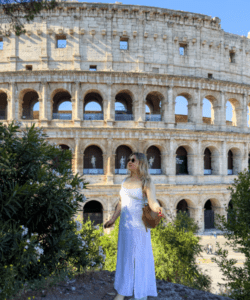
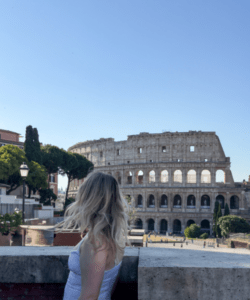
Since I took a guided tour during my previous visit, I decided to do something different this time. I arrived around 7:30 – 8 AM to photograph the Colosseum before the crowds arrived. It was definitely worth the early start.
If you’re looking for the best photo spots, these were my favorites:
- Via Nicola Salvi
- Largo Gaetana Agnesi
- Belvedere Cederna
- Giardinetto del Monte Oppio
- Oppio Caffè
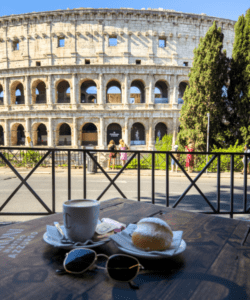
I also stopped at Oppio Caffè for a cappuccino and a maritozzo. Surprisingly, it has only a 3-star rating on Google. My experience was much better than I expected. The coffee was good, the maritozzo was fresh, and the location is hard to beat if you’re starting your day at the Colosseum.
Best Colosseum tours:
Colosseum, Roman Forum & Palatine Hill Guided Tour
Rome: Colosseum Arena Floor, Palatine & Forum Guided Tour
Colosseum & Forum with Audio Guide App -Optional Arena
Hotels/accomodations near Colloseum:
FH55 Grand Hotel Palatino – 4 ★
Colosseo Guest House – 4 ●
Next Stop: Roman Forum & Palatine Hill
Most Colosseum tickets also include the Roman Forum and Palatine Hill. Before booking, always double-check what’s included, as some guided experiences and special tickets offer different access.
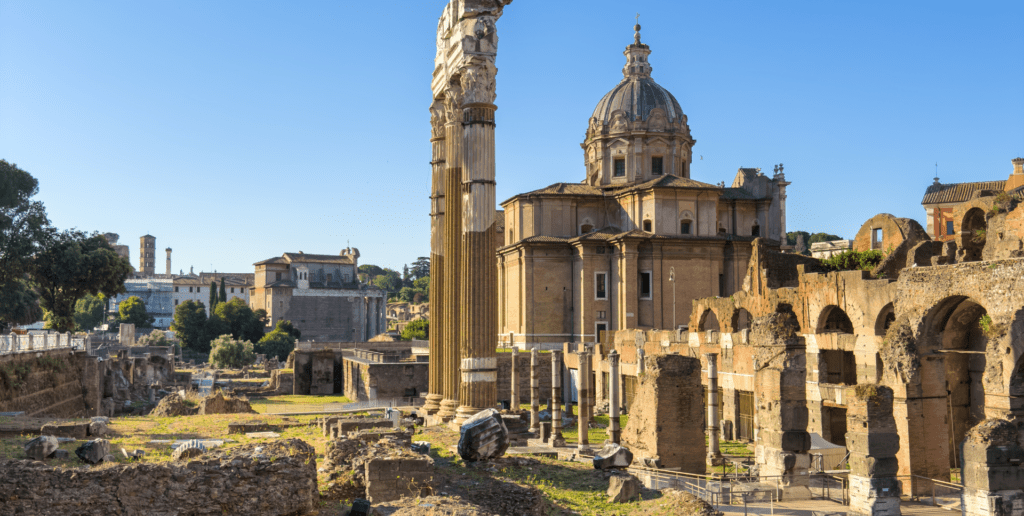
Plan to spend at least 2 to 3 hours exploring these sites. At first, the Roman Forum may look like a collection of ruins, but once you realize you’re walking through what was once the heart of the Roman Empire, it becomes a completely different experience. Meanwhile, Palatine Hill offers some of the best panoramic views over Ancient Rome and plenty of quiet corners where you can stop for a break.
One thing that surprised me was how little shade there is. If you’re visiting Rome during the summer, bring plenty of water, wear a hat, and cover your shoulders if possible. The heat can be intense, and you’ll spend most of your time walking under direct sunlight.
The first time I visited Rome was in February. Even then, it was so sunny and warm that I came home with a tan. I can only imagine how hot these archaeological sites get in July and August, so make sure you come prepared.
Hotels/accomodations near Roman Forum:
Hotel Forum – 4 ★
Foro Romano Luxury Suites – 4 ●
Lunch in Trastevere
After exploring Ancient Rome, cross the Tiber River and head to Trastevere for lunch. It’s one of Rome’s most charming neighborhoods and the perfect place to take a break before continuing your itinerary.
Here are a few popular places to consider:
- Tonnarello (4.7) – Probably the most famous restaurant in Trastevere, known for its cacio e pepe, carbonara, and amatriciana. Expect a queue, especially at lunchtime.
- Otello (4.6) – A great option if you’re looking for traditional Roman dishes in a relaxed setting.
- Prosciutteria Cantina dei Papi (4.6) – Perfect if you’re after a lighter lunch. Their charcuterie and cheese boards are ideal for sharing.
- Supplì Roma (4.7) – One of the best places to try a classic Roman supplì if you’re looking for a quick bite.
- Bar San Calisto (4.5) – A local favorite for an espresso, aperitivo, or a short coffee break while exploring the neighborhood.
Take some time to wander through Trastevere’s cobblestone streets before heading back toward Piazza Venezia. Sometimes the best part of visiting this neighborhood isn’t checking off attractions. It’s simply getting lost for a while.
Places to stay in Trastevere
Piazza Venezia & Capitoline Hill
After lunch in Trastevere, it’s time to head back toward the historic center. It’s around a 25 to 30-minute walk to Piazza Venezia, so if your feet are starting to feel tired, don’t hesitate to hop on public transport. However, if you’re still in the mood for walking, the route takes you through more beautiful streets and gives you another chance to discover Rome’s atmosphere.
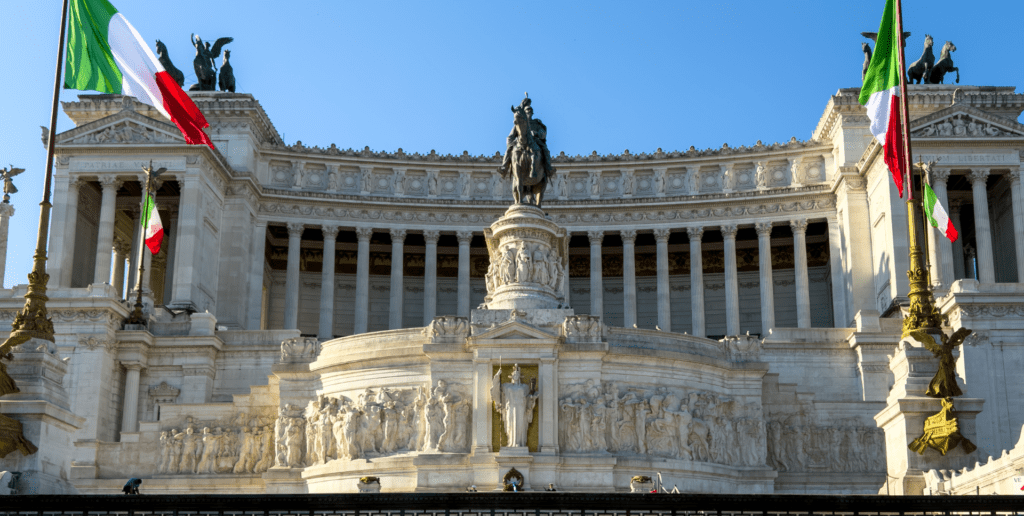
Once you arrive, take a few minutes to admire the impressive Altare della Patria before climbing up to Piazza del Campidoglio and Capitoline Hill. Designed by Michelangelo, Piazza del Campidoglio is one of the most beautiful squares in Rome and offers another fantastic viewpoint over the Roman Forum.
If you enjoy museums, the Capitoline Museums are well worth a visit. They’re one of Rome’s oldest museums and, in my opinion, a much quieter alternative to the Vatican Museums.
Sunset Drinks at OTIVM Rooftop
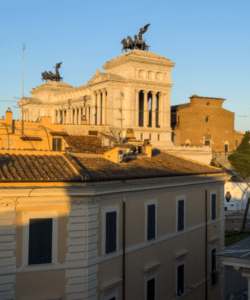
From Piazza del Campidoglio, it’s only a short walk to OTIVM Rooftop, making it a convenient stop before dinner.
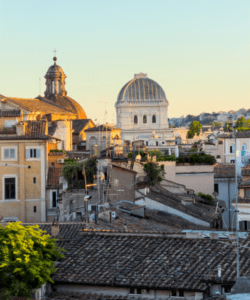
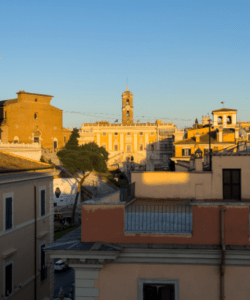
I recommend booking a table in advance and arriving about an hour before sunset. A cocktail costs around €25, but it includes access to the rooftop and the views over Altare della Patria and the rooftops of Rome. While I wouldn’t say they’re the best views in the city, it’s still a lovely spot to enjoy a good cocktail after a busy day of sightseeing.
One small warning: watch out for the seagulls! They’re surprisingly bold and won’t hesitate to steal your olives, chips, or any snacks left unattended. It happened to several tables while I was there, and it was both hilarious and slightly chaotic.
Dinner at Grano Trattoria
After sunset, walk just a few minutes to Grano Trattoria for dinner. This is where I ended my first day in Rome, and I’d happily go back.
After paying around €25 for a cocktail at the rooftop, I was pleasantly surprised that for roughly the same price per person, I enjoyed a generous plate of fresh pasta, a glass of wine (or an Aperol Spritz), and one of my favorite meals of the trip.
The food was excellent, the portions were generous, and the service really stood out. The staff were warm, welcoming, and made the whole experience feel relaxed from the moment we arrived.
I didn’t make a reservation and had no problem getting a table. There were a few seats outside and plenty of tables indoors, which I actually preferred after walking around Rome all day. If you’re visiting during peak season or planning to eat at a popular time, it’s still worth checking availability in advance.
Day 2: Fontana di Trevi, Pantheon and Lesser Known Places
Visit Fontana di Trevi Early
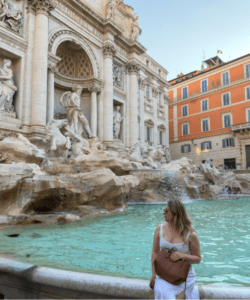
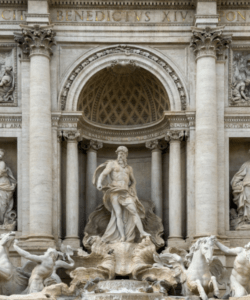
Start your day in the early morning at Fontana di Trevi. It’s one of Rome’s most famous landmarks, and for good reason.
Nowadays, access to the fountain is regulated, and you’ll need to pay a small entrance fee during visiting hours. If you arrive before the ticketed access begins, you can still visit for free.
I arrived at 6 AM, expecting to have the fountain almost to myself. That definitely wasn’t the case. There were already plenty of photographers, groups, and other visitors waiting for their turn. If you want photos without people in the background, you’ll need to be patient, take your shots quickly when there’s a gap, or simply wait for the crowds to move.
Even at sunrise, I was surprised by just how busy it was. It really shows how popular this place has become.
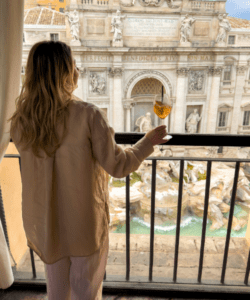
My favorite view of Trevi Fountain
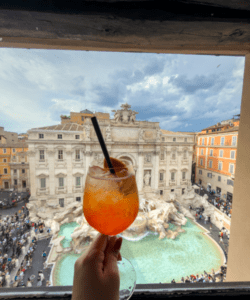
As beautiful as Fontana di Trevi is from street level, my favorite view was from above.
Instead of fighting the crowds, I headed to the rooftop terrace at Hotel Fontana. They don’t take reservations, so simply go to the hotel reception and ask for a table. I actually recommend to get here for aperitivo. More about it at the end of day 2 of this guide.
Hotels/accomodations near Fontana di Trevi:
Martius Private Suites Hotel – 4 ★
Barberini 16- Boutique Hotel – 4 ★
Pantheon
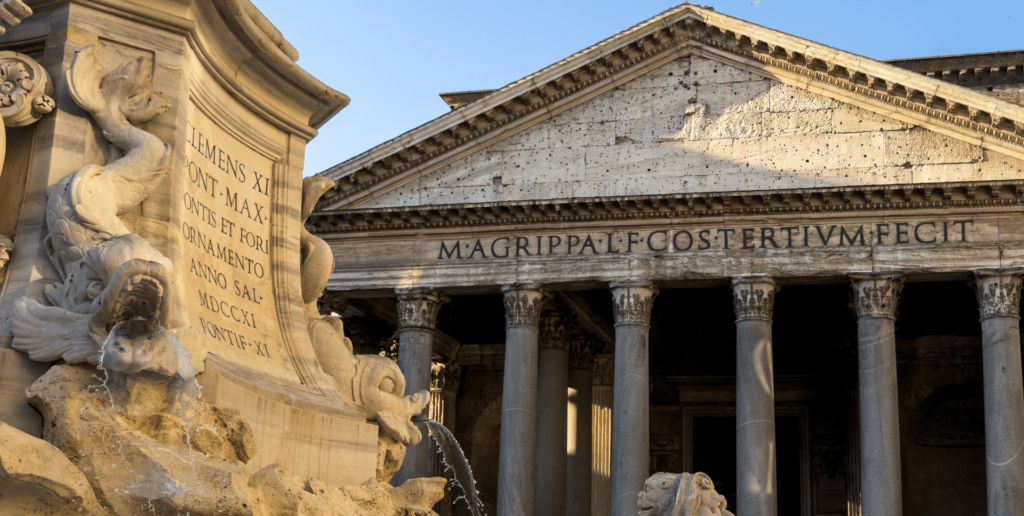
The Pantheon is only a 10-minute walk from Fontana di Trevi, making it the perfect next stop on your itinerary.
Even after nearly 2,000 years, it’s still one of the most impressive buildings in Rome. In fact, it’s one of my favorite places in the city.
Since I had already visited the inside during my previous trip, this time I wanted to experience it without the crowds. After leaving Fontana di Trevi, I walked straight to the Pantheon, and there were only a handful of people in the square. It was quiet, peaceful, and the perfect moment to admire the building from the outside.
Later that afternoon, I walked back through the square around 2 PM, and the difference was unbelievable. It was completely packed. There was barely any space to move, and taking a photo without people in the background was almost impossible.
If you want to enjoy the atmosphere and take photos, I highly recommend visiting early in the morning.
Hotels/acommodations near Pantheon:
Little Queen Suite – 4 ●
Terrace Pantheon Relais -4 ★
Where to Eat Near the Pantheon
If you’re getting hungry, you’ll find plenty of great restaurants within a short walk.
Here are a few places I’d recommend:
- Osteria da Fortunata – Pantheon (4.7⭐) – This is where I had dinner, and I really enjoyed it. The fresh pasta lived up to the hype, the portions were generous, and despite being in such a touristy area, the quality didn’t disappoint.
- Ristorante Pizzeria La Sagrestia (4.7⭐) – A great choice for classic Roman dishes and pizza.
- Osteria del Grillo (4.7⭐) – Another highly rated restaurant serving traditional Italian cuisine.
If you’re looking for a lighter lunch or a snack, stop by Antica Salumeria. It’s a great place for a platter of Italian cheeses, cured meats, and a glass of wine before continuing your walk around Rome.
Piazza Navona
Continue toward Piazza Navona to admire Bernini’s fountains. It’s one of the most beautiful squares in the Centro Storico and a great place to take a break before continuing your walk.
Palazzo Altemps
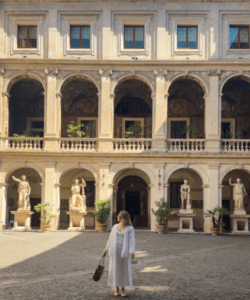
If you’re looking for a quieter museum experience, don’t skip Palazzo Altemps. This beautiful Renaissance palace felt almost empty when I visited.
My favorite part was the peaceful inner courtyard. After the busy streets of Rome, it was the perfect place to slow down for a few minutes before continuing the itinerary.
Inside, you’ll find an impressive collection of ancient Roman and Greek sculptures displayed in beautifully decorated rooms. You don’t need half a day here either. I’d recommend setting aside 30 to 45 minutes , which is enough to see the highlights without feeling rushed.
The museum is part of the National Roman Museum, and a €15 ticket gives you access to Palazzo Altemps, Palazzo Massimo, and the Baths of Diocletian (Terme di Diocleziano). If you’re planning to visit more than one of these museums, it’s excellent value for money.
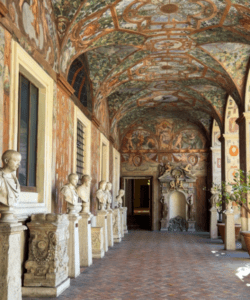
Chiostro del Bramante
Just a 4-minute walk from Palazzo Altemps, you’ll find Chiostro del Bramante, and it ended up being one of the biggest surprises of my trip.
Originally, I came just for the café. I had seen a few videos online and thought it looked like a nice place to take a break. What I wasn’t expecting was how peaceful it would be. I arrived around 11 AM, and the courtyard was almost empty. In a city as busy as Rome, it honestly felt unreal.
The colorful courtyard immediately caught my attention, and after spending a few minutes there, I decided to visit the exhibition as well.
At the moment, the exhibition is Flowers, running until 6 September, and I absolutely loved it. The immersive installations, vibrant colors, and beautiful setting made it one of the most memorable museum experiences of my trip.
A ticket costs €19, but even if you decide not to visit the exhibition, I’d still recommend stopping by for a coffee. The café alone is worth the visit, and it’s one of the most relaxing places I found in Rome.
One small tip: try to visit in the late morning. If my experience was anything to go by, around 11 AM was the perfect time to enjoy the courtyard without the crowds.
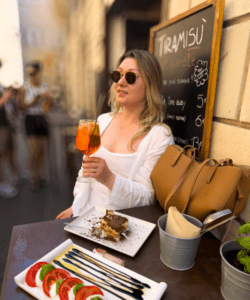
Sweet Stop: Mr. 100 Tiramisù
After visiting Chiostro del Bramante, I was ready for a little break, so I stopped at Mr. 100 Tiramisù for lunch and dessert.
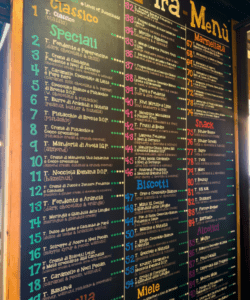
I ordered a fresh Caprese salad followed by their classic tiramisù, and honestly, it was one of my favorite desserts in Rome. They offer around 100 different tiramisù flavors, from pistachio and Nutella to fruit-inspired creations, but I decided to start with the original recipe. It was creamy, perfectly balanced, and so good that I’m already planning to go back just to try the pistachio version.
The restaurant has both indoor seating and takeaway options, so it’s easy to fit into your itinerary. When I arrived, there was a line outside, but it moved surprisingly quickly, and I was seated within a few minutes.
Even if you’re not hungry, I’d still recommend stopping by for a tiramisù. With so many flavors to choose from, it’s a fun little experience and a great way to recharge before continuing your walk through Rome.
Basilica di Sant’Ignazio di Loyola
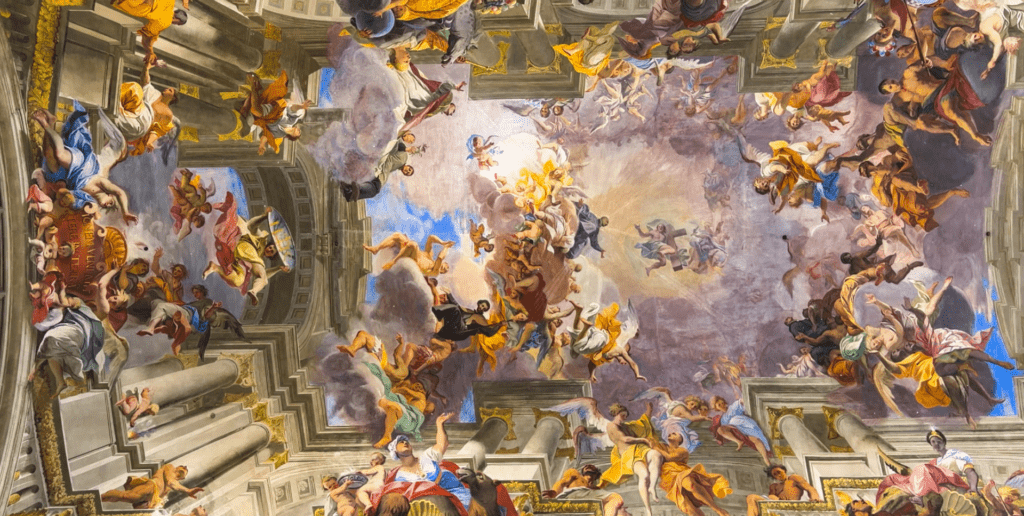
Just a short walk from Mr. 100 Tiramisù, you’ll find Basilica di Sant’Ignazio di Loyola, one of the most beautiful churches in Rome.
It’s famous for its incredible optical illusion ceiling. Most visitors queue to see the reflection in the mirror placed in the middle of the church, but I decided to skip it. The line was surprisingly long, and honestly, I didn’t see the point of waiting when I could simply look up and admire the masterpiece with my own eyes.
The ceiling is absolutely breathtaking and easily one of the most impressive I’ve seen in Rome. Whether you choose to wait for the mirror photo or not, don’t skip this church. It’s completely free to visit and only takes a few minutes, making it an easy stop on your itinerary.
Galleria Doria Pamphilj
This place was incredibly high on my Rome bucket list, and somehow it still exceeded my expectations.
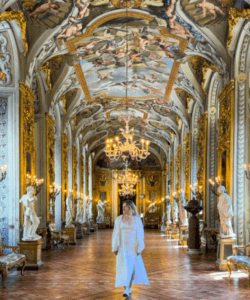
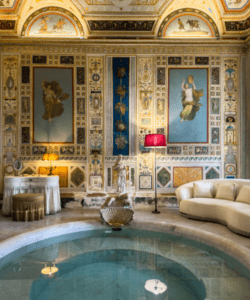
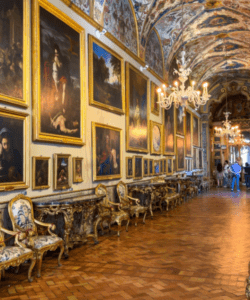
If I only had time to visit one palace or art gallery in Rome, I would choose Galleria Doria Pamphilj without hesitation. Every room is more impressive than the last, with beautifully decorated ceilings, grand halls, priceless artwork, and elegant interiors that make you feel like you’ve stepped back in time.
The main entrance ticket costs €16, and I highly recommend adding the Appartamenti Segreti for an extra €6. It’s a separate guided visit through the family’s private apartments, including the stunning Bath of Diana, and it was easily one of the highlights of my day.
This is one of my absolute favorite places in Rome beyond the obvious landmarks. If you’ve already seen the Colosseum and the Vatican, don’t skip this hidden gem.
Before you leave, take a moment to relax in the palace courtyard. There’s a lovely café where you can enjoy a glass of Prosecco, Champagne, or a coffee while taking in the beautiful surroundings. It’s the perfect way to slow down after exploring the palace.
End the Day at Hotel Fontana Rooftop
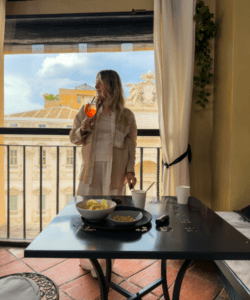
After a full day exploring Rome’s hidden gems, head back to Fontana Rooftop to see Trevi Fountain from a completely different perspective.
The entrance costs €25 per person, and that includes one drink, whether you choose a cocktail, a glass of wine, or a soft drink.
They don’t take reservations, so simply stop by the hotel reception and ask for a table. If the front-row seats are occupied when you arrive, don’t worry. The terrace is small, tables become available quite often, and everyone has the chance to take photos by the panoramic window overlooking the fountain.
Watching the lights come on around Fontana di Trevi while enjoying a drink is a completely different experience from visiting early in the morning. It’s the perfect way to end your second day in Rome.
Day 3: Spanish Steps, Vatican City and Beyond
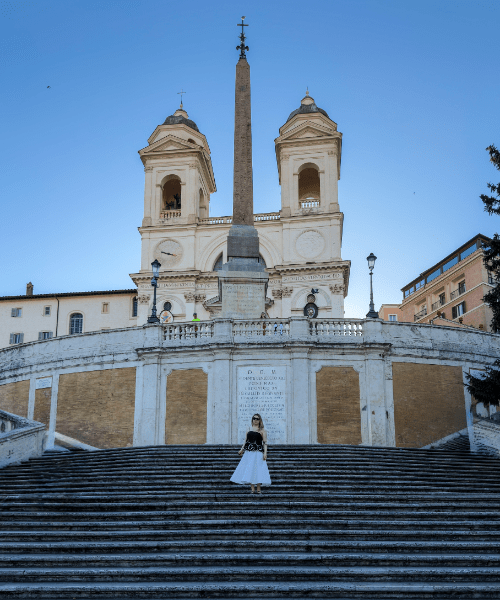
Early Morning at the Spanish Steps
Start your final day at the Spanish Steps, one of Rome’s most famous landmarks. While it’s beautiful at any time of the day, arriving in the early morning makes a huge difference. You’ll have a much better chance of enjoying the square before it fills with visitors.
Don’t forget to admire the beautiful Fontana della Barcaccia at the bottom of the steps before making your way to the top. From there, you’ll get lovely views over Piazza di Spagna and the surrounding streets.
If you have time, take a short walk along Via dei Condotti, Rome’s most famous shopping street, before continuing to your next stop.
Stays near Spanish steps:
TB Place Roma – 4 ★
Spagna Boutique – 4 ●
Ora Acanfora Suites – 4 ●
Vatican Museums & Sistine Chapel
After your stop at the Spanish Steps, head to the Vatican Museums. If this is your first visit to Rome, I wouldn’t skip them.
The museums are enormous, so plan to spend at least 3 to 4 hours exploring them. It’s easy to underestimate how much there is to see, from the Gallery of Maps to the famous Sistine Chapel.
I highly recommend booking your tickets in advance, especially if you’re visiting during peak season. It will save you a lot of time and help you avoid the longest queues.
St. Peter’s Basilica
Once you’ve finished exploring the museums, continue to St. Peter’s Basilica.
Entry to the basilica is free, although you’ll still need to go through a security check. Depending on the time of day, the line can be quite long, so keep that in mind when planning your visit.
Even if you’re not particularly interested in churches, I wouldn’t skip this one. The scale of the basilica, the incredible architecture, and masterpieces like Michelangelo’s Pietà make it one of the highlights of Rome.
If you still have the energy, consider climbing to the top of the dome for spectacular views over Vatican City and Rome.
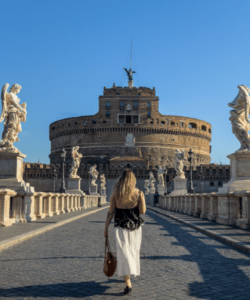
Castel Sant’Angelo & Ponte Sant’Angelo
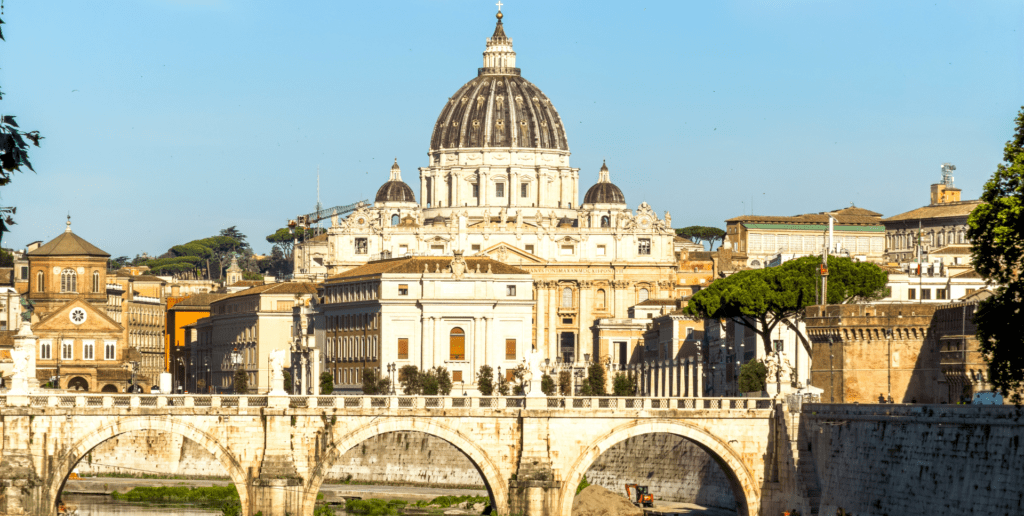
After leaving St. Peter’s Basilica, take the 15-minute walk to Castel Sant’Angelo. Originally built as Emperor Hadrian’s mausoleum, it later became a fortress, a papal residence, and even a prison.
If you have the time, I highly recommend buying a ticket and climbing to the top. The rooftop offers beautiful panoramic views over the Tiber River, Ponte Sant’Angelo, St. Peter’s Basilica, and the rooftops of Rome. I’d recommend setting aside 1 to 1.5 hours if you plan to visit the castle.
Even if you decide not to go inside, don’t skip Ponte Sant’Angelo. Lined with beautiful angel statues designed by Bernini and his students, it’s one of the most picturesque bridges in Rome.
This is also one of my favorite places to take photos. From the bridge, you get a perfect view of Castel Sant’Angelo on one side and St. Peter’s Basilica on the other. If the weather is nice, I’d spend a few extra minutes here before continuing your walk.
Palazzo Barberini
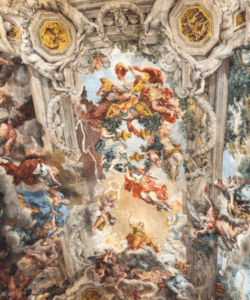
If you’re not quite ready for your Rome adventure to end, make Palazzo Barberini your final stop.
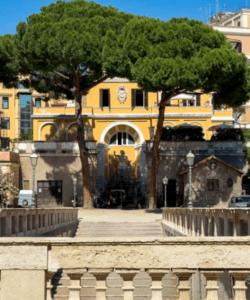
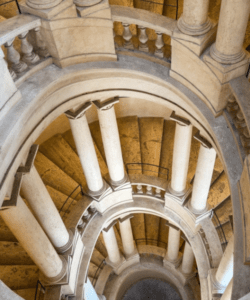
It wasn’t originally high on my list, but it quickly became one of my favorite museums in Rome. The grand staircase, beautifully decorated rooms, impressive ceilings, and peaceful gardens make it feel completely different from the busier attractions in the city.
I’d recommend setting aside 1 to 2 hours to fully explore the palace and its gardens. One of my favorite parts was simply wandering through the peaceful courtyard before stopping for a coffee in the museum’s hidden café.
The full ticket costs €15 and includes entry to both Palazzo Barberini and Galleria Corsini. The ticket is valid for 20 days, so if you’re spending longer in Rome, it’s excellent value for money.
A Final Bite Before You Leave
If you’re looking for a quick, affordable meal before heading back to your hotel, I really enjoyed Pizza & Focaccia IV Fontane (4.9⭐).
There’s nothing fancy about it, and that’s exactly why I liked it. You can grab a takeaway slice of pizza or a freshly made supplì, or stay for a quick meal before continuing your day. Everything I tried was fresh, delicious, and perfect when I wanted something simple without sitting down for another long meal.
Sometimes the best food isn’t at the fanciest restaurants, and this was one of those places I’d happily return to.
Places You Can Add If You Have More Time
If you have an extra day, here are a few more places worth adding to your Rome itinerary.
- Campo de’ Fiori for its lively atmosphere and fresh produce market.
- The Jewish Ghetto for one of Rome’s best food scenes.
- Circus Maximus if you’re interested in Ancient Rome.
- San Clemente, one of Rome’s most fascinating churches.
- A food tour through Trastevere.
- A day trip to Tivoli or Ostia Antica.
Is 3 Days Enough in Rome?
Short answer: yes, if you plan it well.
For most first-time visitors, 3 days in Rome is the perfect amount of time to experience the city’s biggest highlights while still leaving room for long lunches, gelato breaks, rooftop views, and a few hidden gems.
In three days, you can explore Ancient Rome, Vatican City, the historic center, beautiful piazzas, incredible museums, and some of the lesser-known places that made me fall in love with the city.
Will you see everything? Definitely not. And honestly, that’s part of Rome’s charm.
After two visits, I still have a growing list of places I want to come back for. Every trip has shown me something new, whether it was a quiet museum, a hidden courtyard café, or a neighborhood I hadn’t explored before.
So don’t worry about seeing it all. Focus on enjoying the experience, leave a little room to get lost, and let Rome surprise you. Chances are, by the time you leave, you’ll already be planning your next visit.
That’s exactly why Rome deserves a spot on every travel bucket list.


Hi, I’m Elena, the person behind Sparkling Escapes. I’ve been traveling since I was a child, but once I started planning my own trips, I saw how easily travel can become stressful. Sparkling Escapes came from wanting trips that include iconic places and quieter ones too, with a real plan that lets you see more and enjoy it better. Not days packed with endless “must-see” lists or running back and forth across a city. I plan by areas and neighborhoods, adding iconic cafés, restaurants, and hotels that add to the whole experience. I work a 9–5, and in the evenings I plan my next trip with too many tabs open and a notebook full of notes. If you like having a clear plan for your next trip, you’re in the right place.
Pingback: 2 days in Naples, Italy guide: 15 top things to do